



LinkedIn has become an essential platform for job seekers, recruiters, and salespeople with more than 1 billion members in over 200 countries (up from around 800 million in 2023) - DemandSage. As a professional networking site, LinkedIn offers recruitment businesses the opportunity to search for and engage with top talent.
LinkedIn’s platform is free to sign up, connect with someone you know, and message them. But for recruiters, this isn’t enough. They are constantly searching far and wide for candidates and send out tons of messages to engage with them.
In this blog, we’ll explore the drawbacks of recruiting on LinkedIn and why it is not always the best choice for your recruitment business or freelance operation.
Some of the downsides of LinkedIn Recruiter
Next to the benefit of having most professionals on one platform, there are some major downsides of recruiting on LinkedIn compared to alternatives.
Some of which are:
- Costly Recruitment Packages
- Limited Search Filters
- Limited Access to Premium Features
- High Competition for Top Talent
- Vague Pool of Candidates
Costly Recruitment Packages
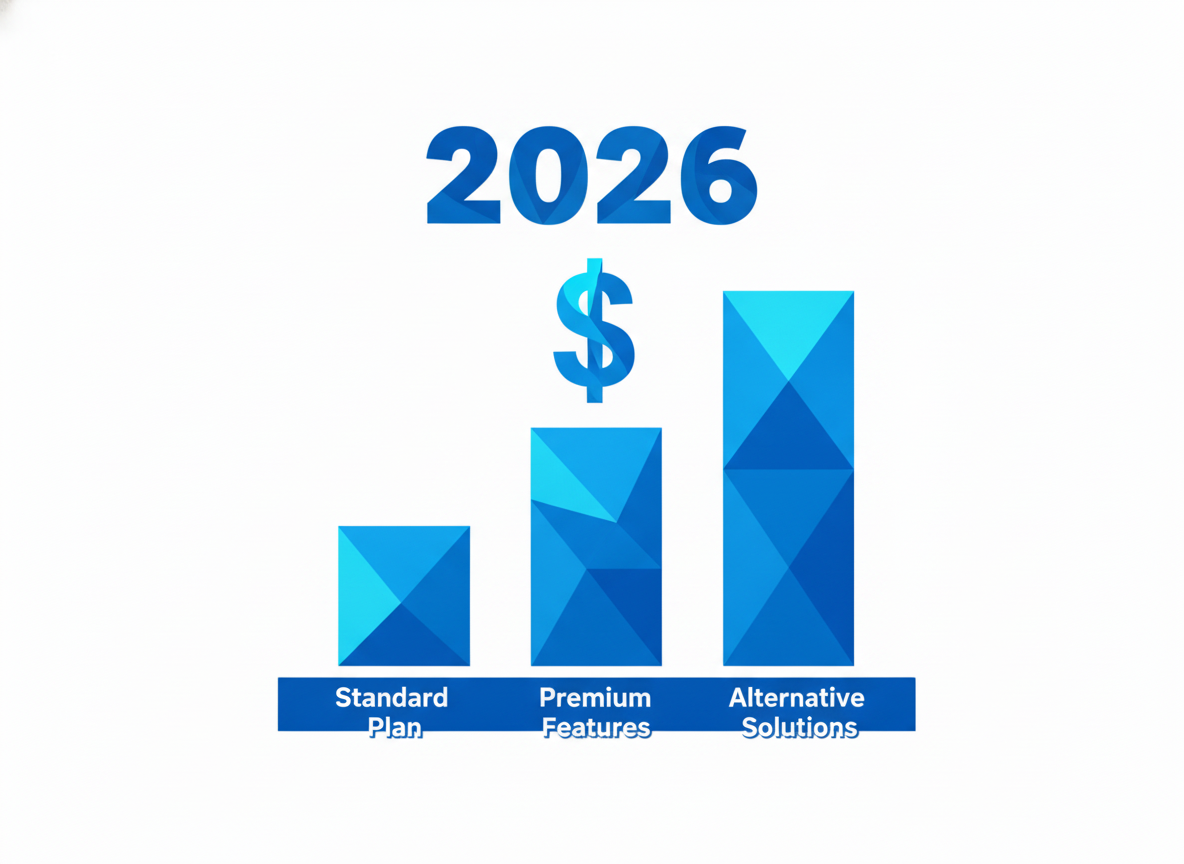
LinkedIn sells two main recruiting seats, and neither is cheap. Both live on a separate platform called LinkedIn Recruiter and rely on Boolean search, combining words with the operators AND, OR, and NOT to limit, broaden, or define who shows up.
Recruiter Lite is the entry seat at roughly $170 per month or $1,680 per year for a single license, climbing to about $270 per seat per month once you add users - Juicebox.
Recruiter Corporate is the full platform, and LinkedIn does not publish a public price for it. Buyer-reported figures in 2026 land between $10,800 and $12,000 per seat per year, with single-seat deals reported as low as around $8,999 and multi-seat contracts climbing higher, plus roughly 15% renewal increases stacking year over year - Juicebox.
The InMail allowance is where the meter really runs. Recruiter Lite includes only 30 InMail credits per month (you can buy up to 70 more, capping at 100), so an active recruiter can burn through the included credits in days - LinkedIn Help. Because LinkedIn reports InMail response rates of only about 18-25%, you are effectively paying for four or five messages to earn a single reply, before you have even started a real conversation.
Larger recruitment firms tend to keep a stronghold of the market as they have the capital to invest in Recruiter Licenses and Inmails, and thus will almost always be the first to reach out to candidates.
Limited Search Filters
LinkedIn Recruiter’s search filters are not the most comprehensive when searching for the right candidates.
Recruiters can search using keywords, location, industry, and job titles, but quite often the search doesn’t always provide accurate results. There are many times when a recruiter searches for a candidate and LinkedIn displays a profile that is almost the complete opposite of what was entered in the Boolean search, and having to filter out the irrelevant candidates is quite time-consuming.
Limited Access to Premium Features
LinkedIn offers a range of premium features such as advanced search filters and access to in-depth candidate analytics. However, these features are available only to those who have subscribed to LinkedIn’s premium membership plans.
For the average person, It’s almost impossible to recruit on LinkedIn if you aren’t subscribed to one of the premium features as you will be limited to the number of profiles you can view and as every profile is only able to send 80-100 connection requests per week, anyone you want to message that you aren’t connected with will have to be sent an InMail.
High Competition for Top Talent
LinkedIn is by far the most favored networking site for professionals, and its grip on the market is hard to overstate. The platform now has more than 1 billion members worldwide and remains the default place professionals list their experience, which is exactly why every recruiter crowds onto the same profiles.
Recruitment businesses have relied heavily on LinkedIn since the rise of technology over the past decade and the current state of the market is extremely saturated meaning top talent is constantly inundated with job offers and opportunities. Many of the top candidates in turn disable receiving InMails.
The challenge of standing out from the competition when trying to attract high-quality candidates through the platform can get quite overwhelming when you’re just starting out or trying to compete with larger firms.
Vague Pool of Candidates
As LinkedIn is a complete professional networking site, many recruiters struggle to keep in line with their target market. There will often be tons of irrelevant candidates that you have to filter out and the LinkedIn algorithms mean that there's no saying your content posts will reach the right audience.
Sites like GitHub, Xing, and Wellfound have carved out niche audiences as a result, whether that is a home for software developers, a professional network for the DACH region (Germany, Austria, and Switzerland), or a hub for startup hiring, and they are slowly chipping away at a market that LinkedIn has spread very thin.
At the end of the day, recruiting on LinkedIn for new agencies and freelancer recruiters is getting less and less viable with unaffordable recruitment package costs, the over-saturation of recruiters, and a vague pool of candidates.
Your alternatives
With the rise in technology, new platforms have emerged that pull the information of candidates on LinkedIn, GitHub, and Stack Overflow allowing you to find the right candidates and engage with them at a fraction of the cost LinkedIn charges and providing you the ability to reach hard-to-find candidates that are specific to your target market. In addition, alternative solutions allow for further outreach automation and with that, scale. This could be key to standing out from the crowd and succeeding in the recruitment world in the future.
For a recruitment business or freelance operation that wants the sourcing reach without the five-figure invoice, the practical swap is an AI recruiter such as HeroHunt.ai that searches those same candidates from outside LinkedIn's walls and reaches them by email instead of by metered InMail credits.
HeroHunt.ai
The two constraints this article keeps running into are the same one: Recruiter Lite gives you 30 InMail credits a month at roughly $170 a month, and at an 18-25% response rate those credits buy you a handful of replies before the meter stops. HeroHunt.ai attacks that from the other side. It searches over a billion profiles pulled from LinkedIn, GitHub and other public sources, screens them with language models against your actual brief instead of a Boolean string, then runs personalized outreach over email, so contacting a candidate is not rationed by a credit balance. The honest caveat: this is a sourcing and outreach tool, not an applicant tracking system, so if you need offer stages, client reporting and a compliant candidate record you will still run an ATS alongside it. And no tool fixes the crowding problem described above. If your message is generic, a saturated candidate will ignore it whichever channel it arrives on.