



The real numbers behind Meta's AI hiring spree: what its superintelligence lab actually pays, what is confirmed, what is hype, and what it means for everyone else trying to hire AI talent in 2026.
Meta reportedly paid a 24-year-old researcher $250 million to change jobs. The researcher, Matt Deitke, had already turned down an offer worth around $125 million over four years, so Mark Zuckerberg roughly doubled it, with up to $100 million reachable in the first year alone - Yahoo Finance. That single number, paid to someone barely two years out of a PhD program, is the clearest snapshot of what happened to the price of elite AI talent in 2025.
Here is the problem: almost every headline figure from that spree is contested, and most of them are misunderstood. When OpenAI CEO Sam Altman said on a podcast that Meta was dangling $100 million signing bonuses, Meta's own chief technology officer called him dishonest, and one of the researchers who actually took a Meta offer called the signing-bonus story fake news - TechCrunch. The truth sits in the gap between a marketing-friendly big round number and how technology compensation is actually structured.
This guide breaks down what Meta Superintelligence Labs really pays, from the nine-figure packages for a handful of stars to the verifiable base salaries filed with the US government, the levels.fyi ladder everyone else sits on, how the packages are engineered, how rivals like OpenAI and Anthropic responded, and what the whole episode means if you are trying to hire AI talent without Zuckerberg's balance sheet. Everything here is grounded in late 2025 and 2026 reporting, because in this market a salary figure from eighteen months ago describes a different world.
Written by Yuma Heymans (@yumahey), who built HeroHunt.ai and has spent years watching the market price of AI talent go from expensive to genuinely absurd, usually from the losing side of a bidding war.
Contents
- What Meta Superintelligence Labs Actually Is
- The Headline Numbers, and What Is Actually True
- How a $100 Million Package Really Works
- Zuck's Eleven: The Roster Meta Bought
- Meta's Real Pay Ladder, E3 to E9
- The Base-Salary Floor: What the Visa Filings Show
- What Everyone Else Pays: OpenAI, Anthropic, DeepMind, xAI
- Why the Numbers Got This Big
- How the Rivals Fought Back
- The Aftermath: Freeze, Layoffs, and Boomerangs
- Is the Bet Working? Bubble, Morale, and 2026
- What This Means If You Are Hiring AI Talent
- The Future Outlook: Agents and the Next Talent War
- Conclusion: A Framework for Reading AI Pay
1. What Meta Superintelligence Labs Actually Is
Meta Superintelligence Labs is the AI organization Mark Zuckerberg built in mid-2025 by spending an amount of money that only makes sense if you believe superintelligence is close. It was not a gentle expansion of Meta's existing AI teams. It was a reset, triggered by Zuckerberg's private frustration that Meta's Llama 4 models had fallen behind, and executed with the urgency of someone who thinks the prize is civilizational rather than quarterly. Understanding what it pays starts with understanding that the whole entity was assembled at emergency speed, and emergency speed is expensive.
The trigger was competitive humiliation. Meta's Llama models had been the standard-bearer for open-weight AI, but the Llama 4 release in early 2025 landed poorly and rival systems pulled ahead on the benchmarks researchers actually care about, which is the backdrop against which Zuckerberg formed the new lab - CNBC. By multiple accounts he concluded that incremental fixes would not close the gap and that Meta needed to buy its way back to the frontier in a single move. That diagnosis, right or wrong, is the premise behind every number in this guide. You do not blow up a functioning research org and hand out the largest pay packages in technology because things are going well. You do it because you have decided you are losing a race you cannot afford to lose.
The founding move was unusual. Rather than simply hiring a research leader, Meta invested roughly $14.3 billion for a 49% non-voting stake in the data-labeling company Scale AI, a deal that valued Scale near $29 billion and delivered its 28-year-old founder Alexandr Wang as Meta's first-ever Chief AI Officer - CNBC. In effect, Meta spent fourteen billion dollars partly to hire one person and the credibility he carried. Zuckerberg formally announced the new lab in an internal memo on June 30, 2025, folding foundation models, the FAIR research group, and product AI teams into a single org reporting up through Wang - CNBC.
The shape of the Scale deal, a large minority stake rather than an outright purchase, was deliberate. By taking 49% with no voting control, Meta secured Wang and a deep tie to Scale's data pipeline while sidestepping the kind of merger review that has stalled other big-tech AI tie-ups - TechCrunch. It was not costless: Scale reportedly lost work from customers wary of the Meta entanglement, and Jason Droege stepped in as interim CEO. The narrower point for a pay story is that Meta was willing to route billions and bend its own corporate structure to secure a single leader, which set the tone for everything it then paid the people underneath him.
Wang was not the only expensive import at the top. Meta brought in former GitHub CEO Nat Friedman to co-lead products and applied research, and Daniel Gross, who had been CEO of Ilya Sutskever's Safe Superintelligence, joined after Meta failed to acquire that startup outright - CNBC. On July 25, 2025, Meta named Shengjia Zhao, a co-creator of ChatGPT who had just left OpenAI, as the lab's Chief Scientist, giving the research agenda to someone who had helped build the product Meta was chasing - CNBC.
By mid-August, the lab was reorganized into four groups, a structure that matters for pay because it separates the expensive frontier researchers from everyone else. The diagram below shows how the org was carved up.
The group that concentrates the money is TBD Lab, led by Wang, which trains the largest models and houses most of the marquee hires - Built In. FAIR, the long-standing research lab associated with Yann LeCun and Rob Fergus, sits alongside it as the "innovation engine," while Products and Applied Research under Friedman ships the Meta AI assistant, and MSL Infra runs the compute. This structure is not cosmetic. When the layoffs came later in 2025, TBD Lab was protected and the older research and infra teams were cut, which tells you exactly where Meta believes its money is best spent: on the small group building the next frontier model, not on the broad base of engineers around them.
Zuckerberg framed all of this publicly with a manifesto titled Personal Superintelligence, arguing that developing superintelligence is now in sight and that Meta intends to put it directly in people's hands - Meta. Whatever you make of the mission, the pay only makes sense in its light. You do not offer someone nine figures to improve ad targeting. You offer it because you have convinced yourself, and them, that the work is the most important thing happening in technology.

2. The Headline Numbers, and What Is Actually True
The single most important fact about Meta's AI pay is that the biggest numbers are multi-year total compensation packages dominated by stock, not cash signing bonuses, and the confusion between those two things is the entire controversy. Get that distinction right and most of the contradictory reporting resolves. Miss it, and you will either believe Meta handed out $100 million checks or believe the whole story was invented. Neither is true.
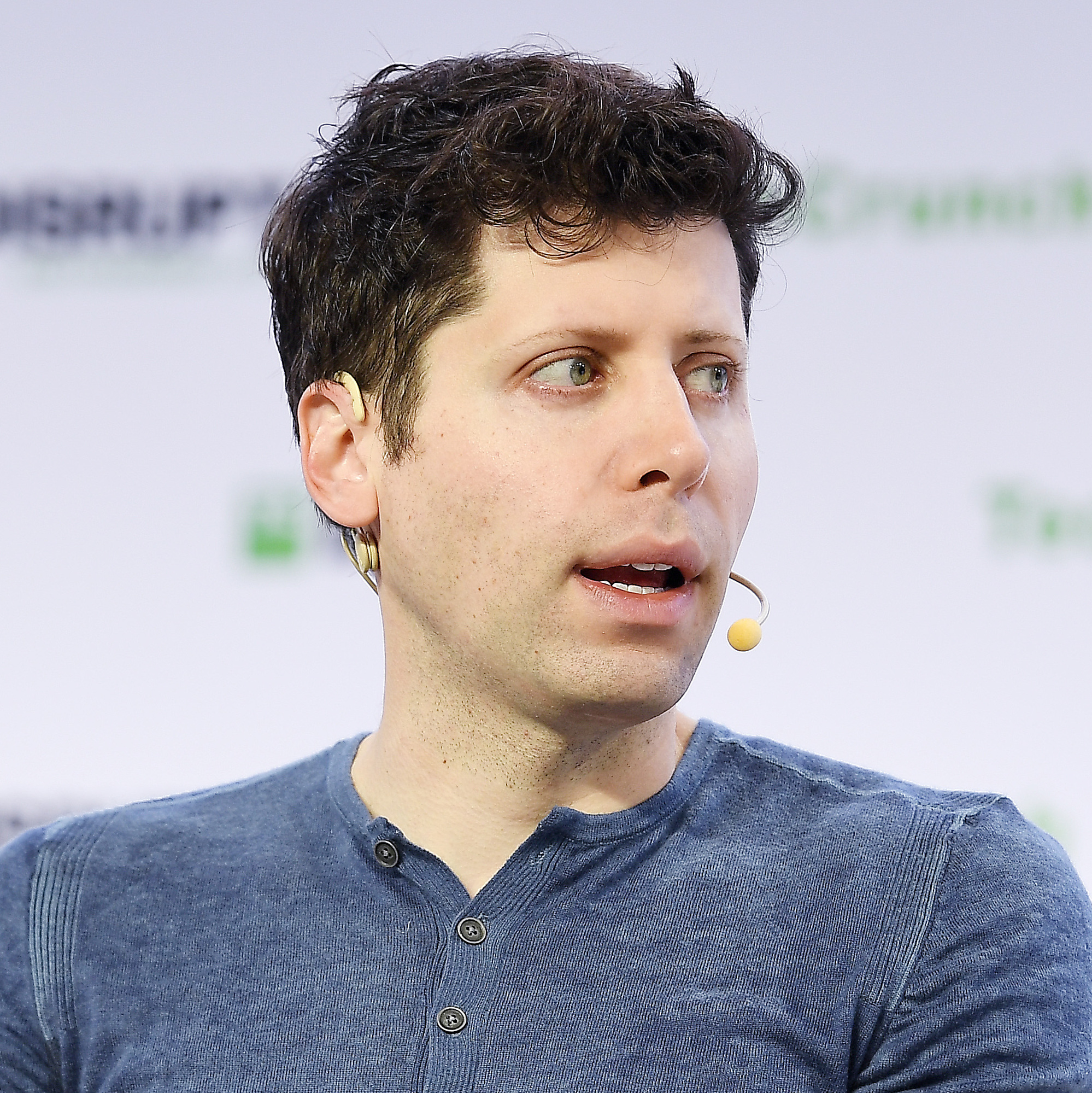
The spark was Sam Altman. On the Uncapped podcast in June 2025, he said Meta "started making giant offers to a lot of people on our team, you know, like $100 million signing bonuses, more than that in compensation per year," and that he was relieved none of OpenAI's best people had accepted - CNBC. The phrase signing bonus did the damage. A signing bonus is cash you keep for showing up. That is not what Meta was offering.
Meta pushed back fast and hard. At a company all-hands, CTO Andrew Bosworth said "Sam is just being dishonest here," argued that Altman was implying such offers went to "every single person," and delivered the line that became the counter-narrative: "the market's hot. It's not that hot" - Entrepreneur. Crucially, Bosworth said the terms "wasn't a sign-on bonus, it's all these different things," and that the large totals applied only to "a small number of leadership roles" who "command a premium" - TechCrunch. The researchers themselves backed him up. Lucas Beyer, who moved from OpenAI to Meta, wrote flatly: "no, we did not get 100M sign-on, that's fake news" - Fortune.
The reporting also captured how personal the campaign was, which matters because it explains the inconsistency in the numbers. Zuckerberg ran the recruiting himself, reportedly WhatsApping hundreds of researchers, coordinating targets in a chat his lieutenants nicknamed the Recruiting Party, and hosting candidates for dinners at his homes in Palo Alto and Lake Tahoe - CNN. A campaign run one relationship at a time produces wildly uneven offers, which is why the same period saw one investor describe a researcher turning down an $18 million Meta offer, a fortune by any ordinary standard and a rounding error beside the $100 million headline - TechCrunch. There was never one Meta number. There was a spectrum, from the merely excellent to the historically absurd, and the press understandably reported the top of it.
So what were the real figures? The most credible reporting came from Wired, which found that Zuckerberg had, on more than ten occasions, offered top AI talent packages worth up to $300 million over four years, with more than $100 million in total compensation in the first year, front-loaded with stock that vested unusually fast - The Batch. That is a genuinely enormous number, among the largest individual packages in tech history, and it is also not a signing bonus. It is base salary plus bonus plus a mountain of restricted stock, spread across years and tied to staying and to Meta's share price. The chart below puts the reported packages next to what a normal top-tier Meta engineer earns, which is the comparison that makes the story land.
Reported Meta AI packages vs normal top-tier pay
Read the bars carefully, because the timeframes differ on purpose: the first two are annual total comp for very senior Meta engineers, while the last three are multi-year totals for star hires. Even accounting for that, the jump is the story. A normal principal engineer earning around $3 million a year is already in the top fraction of one percent of the profession, and the MSL star packages are one to two orders of magnitude beyond that. The most extreme figure of all, a reported offer of up to $1.5 billion over six years to Andrew Tulloch of Thinking Machines Lab, was called "inaccurate and ridiculous" by a Meta spokesperson because so much of it depended on the stock rising - TechCrunch. Even Zuckerberg himself told The Information that "a lot of the specifics that have been reported aren't accurate by themselves," while pointedly declining to give the real numbers - Fortune. The pattern is consistent: the packages are real and vast, the "signing bonus" framing is wrong, and the precise ceilings are contingent guesses dressed up as facts.
3. How a $100 Million Package Really Works
A "$100 million package" at Meta is a bet, not a paycheck, and understanding the mechanics is the difference between reading these numbers as journalism or as fan fiction. The headline assumes three things all go right: the recipient stays for the full term, Meta's stock performs, and any performance conditions are met. Strip those assumptions away and the realized value can land far below the headline, or occasionally above it. This section explains the machinery, because once you see it, every big AI-pay number in the news becomes readable.
Start with how Meta pays normal employees, because the stars are just an extreme version of it. The bulk of Meta compensation is restricted stock units, or RSUs, that vest quarterly over four years at roughly 25% per year, typically with no one-year cliff - Arch Financial Planning. On top of the initial grant, Meta layers annual refresher grants, so a tenured employee has several overlapping four-year grants vesting at once. This is why "total compensation over four years" is never simply four times the first-year cash. It is a stack of grants whose value floats with the share price, which brings us to the second variable.
Meta's stock did something remarkable in the run-up to the hiring spree, and that run is the hidden engine behind the giant offers. The chart below tracks the share price from its post-crash low.
Meta (META) share price, 2022 to 2026
Meta closed near $120 at the end of 2022, then rose roughly 194% in 2023 and 66% in 2024, hitting an all-time-high close around $787 in August 2025 - Slickcharts. That is close to a 5.5x run in under three years. When a company's stock nearly sextuples, stock-denominated pay packages balloon automatically, and a nine-figure offer starts to feel affordable to the person writing it. The catch is symmetry. By late August 2026, Meta traded around $578, well off its peak - stockanalysis.com. A package struck near the $787 high would be worth roughly a quarter less at that price, which is precisely why Meta objects to reporters quoting a fixed dollar ceiling. The number is a function of a share price that moves.
The third unusual ingredient in the top MSL offers was speed of vesting. Where a normal grant drips out over four years, Meta's biggest offers reportedly included stock that vested immediately or in year one, collapsing the schedule so a huge slice was realized up front - Fortune. That front-loading is what let Meta advertise "$100 million in the first year." It is also why the packages still function as golden handcuffs despite the fast start: the remaining years, the refreshers, and the retention grants only pay if you stay, and signing bonuses typically carry clawback terms that claw the cash back if you leave early. Bosworth's phrase, "it's all these different things," is the honest technical summary. A Meta AI megapackage is a blend of modest base salary, a signing bonus with strings, front-loaded stock, retention stock, and performance stock, denominated in a currency (Meta shares) that can swing 30% in a year.
The Matt Deitke deal shows the front-loading in action. The 24-year-old reportedly declined an initial offer near $125 million over four years, then accepted around $250 million after Zuckerberg personally doubled it, with as much as $100 million attainable in year one - Yahoo Finance. Set that against a standard grant, which drips out at 25% a year, or even a typical aggressive tech schedule like the rough 40/30/20/10 front-load some firms use, and the MSL structure is extreme by any measure: it pulls an enormous share of a multi-year package into the first months. That is generous to the recruit and shrewd for the employer, because the fast cash lowers the risk the candidate feels while the back years, the refreshers, and the retention grants still function as a leash. The headline number and the realized number can diverge sharply, and which one you get depends entirely on whether you stay and whether the stock cooperates.
Clawbacks are the least glamorous clause and the most consequential. A signing bonus paid over two years commonly carries a repayment obligation that stretches into a third, so a recruit who leaves early can owe money back, while any unvested stock simply evaporates on departure. This is why the reported early exits from Meta matter so much to the pay story: someone who joins on a headline nine-figure package and leaves within months walks away with a small slice of it, and possibly a bill. The number that gets printed is the maximum a perfectly retained, perfectly performing recipient could earn. The number people actually bank is a distribution, and its lower tail sits far closer to the base salary than to the headline.
4. Zuck's Eleven: The Roster Meta Bought
Meta's June 2025 memo named eleven new researchers, a group the press instantly dubbed "Zuck's Eleven," and reading their resumes tells you exactly what Meta was buying: the people who built the competition's best products. This was not a broad talent sweep. It was a targeted extraction of the specific individuals whose names appear on the papers and product credits behind ChatGPT, Gemini, and Apple Intelligence. When you pay for provenance rather than headcount, the roster is the product.
The eleven came overwhelmingly from OpenAI and Google DeepMind, with the memo describing each in Meta's own words - Fortune. From OpenAI came Shengjia Zhao (co-creator of ChatGPT, later made Chief Scientist), Jiahui Yu, Shuchao Bi (GPT-4o voice mode), Hongyu Ren, Trapit Bansal (a pioneer of reinforcement learning on chain-of-thought), Huiwen Chang (GPT-4o image generation), and Ji Lin. From Google and DeepMind came Jack Rae (a pre-training lead on Gemini), Pei Sun (Gemini reasoning, and earlier Waymo's perception models), and Johan Schalkwyk. From Anthropic came Joel Pobar, who had actually spent eleven prior years at Meta. No individual pay figure was ever confirmed for any of the eleven, and that absence is itself a signal: the reporting only ever speaks in aggregate ranges, never per person.
The senior leadership hires, by contrast, did attract specific numbers, and they anchor the top of the market. The table-topping figure belongs to Alexandr Wang, whose leaked package was reported as roughly a $1 million base, multimillion-dollar bonuses, and $100 million to $150 million in equity vesting over five years, separate from the $14.3 billion Meta put into Scale AI - Fortune. The most scrutinized researcher package went to Ruoming Pang, who ran Apple's foundation-models team and joined Meta for a package Bloomberg reported at more than $200 million over several years, an amount Apple reportedly declined to match - Bloomberg.
The leadership deals came bundled with their own financial engineering. To bring in Friedman and Gross, Meta agreed to acquire up to 49% of NFDG, the venture fund the pair ran together, a structure that let Meta hire two seasoned investors and buy into their portfolio at the same time - DataCenterDynamics. Counting the two named leads alongside the eleven researchers, the June memo effectively announced thirteen senior arrivals in a single day. It was an unprecedented concentration of frontier expertise bought in one burst, and, as the following months would show, buying the people and building a team out of them are very different achievements.

Beyond the memo eleven, the poaching continued through the summer and into the autumn. Meta added OpenAI's Jason Wei and Hyung Won Chung, both known for reasoning research, and the so-called Zurich trio of Lucas Beyer, Alexander Kolesnikov, and Xiaohua Zhai, co-creators of the Vision Transformer, poached as a group from the OpenAI office they had only recently opened - The Decoder. The last big catch came in October, when Andrew Tulloch, a co-founder of Mira Murati's Thinking Machines Lab and himself an eleven-year Meta veteran before that, finally joined after initially rejecting Zuckerberg - TechCrunch. The composite picture is a roster assembled almost entirely by subtracting from three or four rivals, which is exactly why those rivals reacted the way they did.
The concentration is worth quantifying, because it explains the ferocity of the response. Of the fifty-plus researchers Meta brought in before it paused hiring, more than twenty came from OpenAI and at least thirteen from Google, with the remainder drawn from Apple, Anthropic, and xAI - Built In. Meta was not sampling the talent pool. It was performing targeted extraction on a small number of rivals, taking named contributors to specific shipped models. When you remove twenty of a lab's most important researchers in a matter of weeks, you are not competing for talent so much as attempting to transplant a capability, which is why OpenAI's leadership reacted less like a company that lost a bidding war and more like one that had been burgled.
5. Meta's Real Pay Ladder, E3 to E9
Before the superintelligence spree, Meta already ran one of the most generous pay ladders in technology, and the MSL packages are best understood as a custom tier bolted on top of that existing structure rather than a replacement for it. Almost no one at Meta earns nine figures. The overwhelming majority of even the highly paid AI engineers sit on the normal ladder, which tops out in the low millions for the rare few who reach its heights. Knowing that ladder is the only way to judge whether a given number is normal-generous or genuinely extraordinary.
Meta's individual-contributor engineering track runs from E3 (entry) up through E4, E5 (Senior), E6 (Staff), E7 (Senior Staff), E8 (Principal), and E9 (Distinguished). Research scientists sit on a parallel IC ladder. According to crowdsourced data on levels.fyi, median total compensation climbs steeply at the top, and the chart below shows the curve.
Meta engineering total comp by level (2026)
The numbers behind the bars are worth stating plainly. A Senior Engineer at E5, Meta's terminal level where you can stay indefinitely without pressure to promote, reports around $424,000 in total comp, split roughly into a $225,000 base, $175,000 in annual stock, and a $24,000 bonus - levels.fyi. A Staff Engineer at E6 reports around $687,000, and a Senior Staff Engineer at E7 around $1.32 million - levels.fyi. The very top of the public ladder, E8 at roughly $3 million and E9 at roughly $4.36 million, is where stock swells to nearly 88% of the package and the population thins to a rounding error of the company - levels.fyi. One caveat: these are self-reported figures from a thin sample at senior levels, so treat the top bars as indicative rather than precise.
The research track tells the same story from a slightly different angle. Meta's research scientists sit on a separate IC ladder rather than the E-ladder, reporting roughly $305,000 at IC4, $393,000 at IC5, and $581,000 at IC6 - levels.fyi. The AI Researcher title specifically shows the premium spiking at the senior end, with a reported median near $454,000 and an E6 figure around $1.26 million where the stock component balloons - levels.fyi. Read the ladders together and the architecture of MSL pay comes into focus: a normal, if elite, structure for the many, a bespoke zone above E8 for the few, and a steadily widening AI premium acting as the on-ramp between the two. The megapackages are not a separate universe. They are the top of a slope that was already tilting sharply upward before Meta ever placed a bet.
There is also a real, measurable AI premium layered on the whole ladder, and it has been growing. A Meta machine-learning engineer at E6 reports around $763,000 versus $687,000 for a general engineer at the same level - levels.fyi. Across the industry, levels.fyi pegged the AI pay premium at 6.2% for entry roles rising to 18.7% at the staff level, up from 15.8% a year earlier - levels.fyi. This is the crucial context for the MSL numbers. The star packages did not appear from nowhere. They sit at the far end of a ladder that was already paying staff engineers seven figures, extended into a bespoke zone above E8 where custom retention structures replace the published bands entirely.
6. The Base-Salary Floor: What the Visa Filings Show
The one category of Meta AI pay that is not disputed, not leaked, and not spun is base salary, because Meta files it with the US government every time it sponsors a work visa, and those filings are public record. This is the antidote to the megapackage noise. When Meta petitions for an H-1B or a green card, it must state the exact base wage it will pay, and by law that figure is a floor the company has to honor. It excludes stock and bonus entirely, which is exactly why it is so useful: it shows the hard cash spine underneath all the equity theater.
The filings reveal a base-salary market that is high but comprehensible, nothing like the headlines. According to the DOL-derived database h1bdata.info, Meta's Research Scientist filings in 2025 ranged from about $164,000 to $302,000, with a median near $182,000, and Meta's overall median filed base across thousands of 2025 petitions was around $204,000 - h1bdata.info. Business Insider's review of roughly 5,800 of Meta's 2025 visa applications found a similar picture across specific roles, summarized in the table below.
| Role (Meta visa filings, 2025) | Filed base-salary range |
|---|---|
| Research Scientist | $164K to $328K |
| Software Engineer | $124K to $480K |
| Software Engineer, Machine Learning | $144K to $293K |
| Machine Learning Engineer | $165K to $251K |
| Research Engineer | up to $400K to $440K |
| Vice President, AI (top single filing) | $650K |
Those figures come from Meta's federal filings as reported across multiple outlets, with the $650,000 AI-VP base standing as the highest single number in the 2025 data - Entrepreneur. Read the table and one thing jumps out: most Meta AI base salaries cluster between $150,000 and $250,000, and even the outliers top out well under half a million. That is a long way from $100 million.
The database view adds useful time depth and reaches the managers too. In 2024, Meta's Research Scientist filings clustered slightly lower, with a median near $199,000, and the people who manage these teams file only modestly higher: a Research Scientist Manager around $258,000 and a Software Engineer Manager between roughly $278,000 and $318,000 - h1bdata.info. Even the leaders running the research and engineering groups file base salaries in the low-to-mid six figures. Nothing in the entire government record hints at the megapackages, and that absence is not an oversight. It is structural, because the megapackages live entirely in stock grants that a labor-condition application never has to report.
The reconciliation between this table and the headlines is the single most important idea in this guide, so it is worth stating directly. Base salary at Meta is a small fraction of total compensation, with stock and bonuses that typically double or triple the number for ordinary employees, and multiply it far more for the stars - Fortune. The visa filings show the floor; the leaked packages show the ceiling; and the MSL megadeals are simply the ceiling raised to a height no floor can hint at, using stock grants that never appear on a labor-condition application. Both numbers are true. They just measure different things, and most of the public argument came from people comparing one to the other.
For a job-seeker, the base-salary floor is the number that matters most, because it is the part you can count on no matter what the stock does. A researcher weighing offers should read the equity as upside with real risk attached, not as guaranteed wealth, and should discount any multi-year headline by the odds of staying the full term and by the volatility of the shares. The people who came out of the 2025 spree best were not necessarily those with the biggest headline packages, but those whose front-loaded or fast-vesting cash actually converted before circumstances changed underneath them.
7. What Everyone Else Pays: OpenAI, Anthropic, DeepMind, xAI
Meta did not set the market price for AI talent so much as detonate it, and to see how far the explosion reached you have to look at what the rivals were already paying and how they scrambled to respond. The frontier labs had reached seven-figure packages well before Meta's spree, but they were structured differently, and each lab's response to the poaching revealed its underlying philosophy. Pay is a strategy, not just a number, and the four big rivals each chose a different one.
OpenAI paid its people through an unusual instrument. For years the model was roughly a $300,000 base plus annual Profit Participation Units, worth around $500,000 a year, that rewarded the company's profit and exit value rather than granting conventional equity - levels.fyi. After Meta's raids, OpenAI moved fast: in its October 2025 conversion to a public benefit corporation it swapped those units for standard RSUs with uncapped upside, and separately "recalibrated" comp with personalized counteroffers. Its Chief Research Officer wrote a leaked memo saying it felt like "someone has broken into our home" - TechCrunch. Anthropic took the opposite tack, deliberately declining to match Meta. Its packages run roughly $300,000 to $490,000 in total comp, and CEO Dario Amodei argued that huge counteroffers would "fragment and damage the culture," leaning instead on mission and on equity tied to a $380 billion valuation - MokaHR. The table below summarizes how the labs compare.
| Lab | Typical researcher-engineer comp | Retention lever | 2-year retention |
|---|---|---|---|
| Meta MSL | E5 ~$424K to E8 ~$3M, stars nine-figure | biggest cash-heavy packages | ~64% |
| OpenAI | ~$300K base plus large equity units | uncapped RSU upside | ~67% |
| Anthropic | ~$300K to $490K | mission plus $380B equity | ~80% |
| Google DeepMind | competitive plus counteroffers | noncompetes, garden leave | ~78% |
| xAI | median ~$660K, up to ~$1.2M | equity-heavy, fast pace | not reported |
The retention column, drawn from SignalFire data, is the most revealing part of the table, because it shows money is not the whole game - SignalFire. Anthropic, which pays the least of the frontier labs, retains the most people, while Meta, which pays the most, retains the fewest. Google DeepMind meanwhile leaned on a contractual weapon rather than a cash one, using noncompete agreements of up to twelve months and paid "garden leave" to keep researchers off the market entirely - TechCrunch. xAI paid at aggressive market rate, with a median engineer package around $660,000 and top figures near $1.2 million, heavy on equity - levels.fyi. The lesson across all four is that Meta was bidding into a market that already valued these people in the high six and seven figures, which is what made the jump to nine figures both possible and destabilizing.
Two structural details round out the competitive picture. OpenAI's old profit-participation units had historically capped upside near ten times their grant value, so removing that cap in the RSU conversion was itself a raise, layered on top of a reported surge in stock-based compensation toward $4.4 billion to fund the retention fight - levels.fyi. At the opposite end of the spectrum, Europe's Mistral pays in a different currency and scale entirely, with French engineer salaries running roughly 101,000 to 146,000 euros plus BSPCE stock options, competitive locally but nowhere near US frontier cash - levels.fyi. The practical takeaway is that "market rate" for AI talent is not a single figure but a wide band shaped by structure, geography, and each lab's private theory of what actually keeps people. Meta chose to compete at the extreme end of the cash axis, and the retention data suggests that axis has a ceiling on what it can buy.
Anthropic's bet is the most instructive, because it is the clearest rejection of Meta's premise. Alongside the industry's highest retention, SignalFire reported the lab converting roughly 88% of its technical offers and an even larger share of its go-to-market ones, evidence that a firm can win the people it wants without topping every bid - SignalFire. Amodei's argument is that once pay clears a fair threshold, the deciding factors become the mission, the research environment, and whether the colleagues you respect are staying, none of which a rival can simply outspend. Whether that holds as the frontier race intensifies is unproven, but through 2026 the lab that most firmly refused to match Meta was also the one losing the fewest researchers, which is a difficult result to argue with.
8. Why the Numbers Got This Big
The nine-figure packages are rational if, and only if, you accept two premises: that fewer than a thousand people on earth can build a frontier model, and that whoever builds it first captures a prize measured in trillions. Grant those premises and the math flips from insane to obvious. The salaries stop looking like a bidding war and start looking like a rounding error on a much larger bet. This section lays out the economic logic, because it is the actual justification the buyers give, and it is more coherent than the "tech billionaires lost their minds" story.
The scarcity premise is the load-bearing one, and the people doing the hiring state it plainly. Databricks VP Naveen Rao compared recruiting elite researchers to signing a basketball superstar: "The top-tier researcher side is the hard part. It's like looking for LeBron James," and estimated that probably fewer than 1,000 people worldwide could build a frontier model - The Ringer. Perplexity CEO Aravind Srinivas framed the same dynamic as professional sports economics: "It's definitely going to feel like a transfer market now, like an NBA or something." When the supply of a critical input is a few hundred individuals and the demand is every trillion-dollar company at once, price discovery gets violent.
The prize premise supplies the willingness to pay. Research group Epoch AI estimated that a superstar frontier researcher can be worth over $30 million a year to a lab, roughly six hundred times an average AI postdoc, because the technology they are chasing is "a prize potentially worth tens of trillions of dollars a year" - Epoch AI. Set that against the infrastructure bill and the salaries shrink to nothing. When a company is spending tens of billions on data centers, paying a small percentage of that outlay to the handful of people who determine whether the data centers produce anything useful is arguably the most efficient line in the budget. Bank of America estimated Meta might spend around $1 billion a year on its top fifty AI hires, an average near $20 million per person, which is real money and also a fraction of Meta's capital expenditure - Wealth Professional.
That ratio is the crux of the rationality argument. Meta has guided toward tens of billions of dollars a year in AI infrastructure spending, so even a $1 billion talent bill is a low single-digit percentage of the total outlay. Framed that way, underpaying for the handful of people who determine whether a multibillion-dollar data-center buildout yields a leading model or an also-ran would be the genuinely irrational move. If the compute is the body, the researchers are the brain, and you do not economize on the brain. The whole edifice rests on the scarcity premise being true, and that is exactly what the bubble skeptics dispute, but taken on its own terms the internal logic is far more coherent than the "billionaires lost their minds" caricature suggests.
Zuckerberg himself argues the true recruiting lever is not even the money but the compute, the idea that a top researcher at Meta commands more GPUs per person than anywhere else. He makes that case directly in the interview below.
Inside Zuckerberg's AI Playbook (July 2025)
The wider labor-market data confirms the pressure is not confined to a few dozen stars. PwC's 2026 barometer found the wage premium for AI skills reached 62%, up from 57% a year earlier and just 25% the year before that - PwC. Job postings requiring AI skills grew roughly 144% year over year into 2026 while overall postings grew about 7% - Bipartisan Policy Center. The MSL packages are the visible tip of a curve that has lifted AI pay at every level, and that broad lift is why the scarcity argument, however self-serving, is hard to dismiss outright.
9. How the Rivals Fought Back
The most interesting response to Meta's checkbook was that money alone did not win, and the counter-strategies the rivals used are a field guide to retaining talent you cannot outbid. Meta had the deepest pockets in the fight, yet it ended up with the lowest retention of the major labs and a string of hires who left within weeks. The rivals defended their people with a mix of counteroffers, contracts, culture, and independence, and each lever worked to a different degree. For anyone building a team against a richer competitor, this is the practical part of the story.
The first lever was the rapid counteroffer. When Meta poached roughly eight OpenAI researchers in a matter of weeks, OpenAI's leadership went into what one memo described as working "around the clock," recalibrating compensation and issuing personalized retention packages, while warning staff that Meta was timing its approaches to exploit a company-wide recharge week - Windows Central.
The counteroffers exposed a tension money cannot resolve. OpenAI's chief research officer told staff he would "fight to keep every one of you," but "won't do so at the price of fairness to others," a candid admission that matching Meta person by person risked detonating the internal pay structure for everyone who stayed - TechCrunch. That is the hidden cost of a bidding war. Every emergency counteroffer resets expectations across a team, so the defender ends up paying not only the person being poached but, eventually, everyone who hears about it. Meta could absorb that inflation more comfortably than anyone, which is part of why its raids were so destabilizing to smaller balance sheets that could not. Reporting suggested OpenAI ramped its stock-based compensation dramatically to fund the defense. The second lever was contractual friction, exemplified by Google DeepMind's use of long noncompetes and paid garden leave to simply prevent departures, a blunt instrument that works precisely because it does not rely on winning a bidding war.
The third and most durable lever was staying independent, which several targets chose over any salary. Ilya Sutskever's Safe Superintelligence, valued around $32 billion, rebuffed Meta's acquisition approach even after Meta poached its CEO, with Sutskever taking over and declaring "we have the compute, we have the team, and we know what to do" - CNBC. Mira Murati's Thinking Machines Lab raised $2 billion at a $12 billion valuation, reportedly the largest seed round on record, and kept its team together after co-founder Andrew Tulloch initially turned Zuckerberg down, even if he eventually crossed over months later - TechCrunch.
The throughline is that the researchers Meta most wanted were, almost by definition, people with the leverage to say no. Sam Altman turned the whole episode into a values pitch, arguing that "missionaries will beat mercenaries," a line that doubled as a recruiting message and a jab - The Ringer. Whether or not you believe the mission framing, the retention numbers gave it teeth: the labs that competed on purpose and equity kept more of their people than the one that competed hardest on cash. That is not an argument against paying well. It is evidence that above a certain threshold, the marginal dollar buys less loyalty than the marginal reason to stay.
10. The Aftermath: Freeze, Layoffs, and Boomerangs
Within two months of assembling the most expensive AI team in history, Meta froze its hiring, and within four months it laid off six hundred people from the same organization, which tells you the spree was less a plan than a scramble that then had to be cleaned up. The aftermath is not a footnote to the pay story. It is the part that shows what the pay bought and what it did not. A megapackage assumes stability, and the months after the spree were anything but stable.
The hiring freeze came first. Around August 21, 2025, after bringing on more than fifty researchers, Meta paused hiring across the AI org and barred internal transfers unless Wang personally approved them - CNBC. Meta framed it as "basic organizational planning," which was true and also an admission that the org had grown faster than anyone had structured it to. Then came the cuts. On October 22, 2025, Meta eliminated roughly 600 roles from Superintelligence Labs via an internal memo from Wang, hitting FAIR, product, and infrastructure teams while pointedly sparing TBD Lab and its expensive new stars - SiliconANGLE. Wang's stated rationale was that "by reducing the size of our team, fewer conversations will be required to make a decision, and each person will be more load-bearing" - CNBC.
The cut exposed how chaotic the build-out had been. October's layoff followed August's split into four teams, itself described as roughly Meta's fourth AI reshuffle in six months, during which the previous "AGI Foundations" team was dissolved and its members scattered across the surviving groups - Built In. The terms were relatively soft, with affected staff receiving a minimum of sixteen weeks of severance and an official termination date weeks out, and Wang urging them to apply to other Meta teams. After the reductions, the division stood at just under 3,000 people, a leaner and far more expensive core than the sprawling summer org. The signal to the market was blunt: a company can pay historic sums for talent and still cut six hundred people four months later, because collecting stars and running a lab are not the same skill.
The most telling detail was the boomerangs, the new hires who left almost as fast as they arrived. Avi Verma and Ethan Knight both joined MSL and returned to OpenAI within weeks, and reporting indicated roughly eight researchers exited in a similar window - The Decoder. Longtime Meta GenAI product lead Chaya Nayak left for OpenAI's experimental unit, and even Chief Scientist Shengjia Zhao reportedly came close to returning to OpenAI before staying for the title. A package worth nine figures on paper is worth nothing if the recipient walks before it vests, and the early exits meant some of those headline totals were never going to be realized in full.
By 2026, the strategy itself had shifted. Meta reportedly pivoted away from open-source Llama toward a proprietary frontier model codenamed Avocado, whose release slipped from spring toward mid-2026 - 24/7 Wall St.. After the cuts, the division stood at just under 3,000 people, a smaller and more expensive core than the sprawling org of the summer. The sequence, hire everyone, freeze, reorganize four times, cut six hundred, then narrow the mission, is what an emergency looks like in slow motion. The pay was the easy part. Turning the roster into a working lab was the hard part, and it is still unresolved.
11. Is the Bet Working? Bubble, Morale, and 2026
The honest answer, as of 2026, is that nobody knows whether Meta's spending will pay off, and the people best positioned to judge are openly split between calling it visionary and calling it a bubble. This uncertainty is not a dodge. It is the actual state of the evidence. Meta bought the talent, reorganized around it, and shipped less than the price tag implied, which is consistent with both "it takes time" and "it was a mistake." Reading the 2026 signals requires holding both possibilities at once.
The bubble case has gained credibility from unlikely sources. Sam Altman, whose own company is a prime beneficiary of AI enthusiasm, warned that "when bubbles happen, smart people get overexcited about a kernel of truth," and said investors as a whole are overexcited about AI - CNBC. Apollo's chief economist argued the current AI bubble is bigger than the 1990s internet bubble, and even Zuckerberg conceded that a "collapse" is "definitely a possibility" - Yahoo Finance. If the AI boom cools, the nine-figure packages struck near Meta's stock peak will look like the defining overpay of the cycle, and the falling share price since 2025 already trimmed their real value.
Inside Meta, 2026 brought signs of strain that money did not fix. Reporting on internal morale described it as among the worst in years, with leadership admitting it had done "an atrocious job explaining the vision" of the AI reorganization - HR Executive. A separate reorganization was even more revealing. In early 2026 Meta stood up an Applied AI organization of roughly 6,500 people and reportedly moved a large share of engineers off core product, infrastructure, and security work into internal data-labeling and model-tuning tasks, a shift many experienced as a demotion, before Meta walked back the forced moves and let people opt out - HR Executive. It is a pointed counterpoint to the megapackages: the same company paying a few stars nine figures was simultaneously grinding down the morale of thousands of ordinary engineers, which is its own quiet comment on where the money and the attention actually went. Alexandr Wang, now the public face of the effort, continued to defend the strategy on the record into mid-2026, as in the interview below.
Meta AI Chief Alexandr Wang on Winning the AI Race (June 2026)
The product scorecard, so far, is mixed. The proprietary Avocado model that replaced the open Llama roadmap reportedly slipped its release toward mid-2026 and, by early accounts, edged past Google's mid-tier system while trailing the very best models from Google and Anthropic on the hardest reasoning and coding tests - 24/7 Wall St.. That is neither vindication nor disaster. It is the frustrating middle, a competitive-but-not-leading model produced at a cost no rival came close to matching, which is precisely the outcome that keeps the debate unresolved. A blowout would have ended the argument, and so would a flop. What Meta actually got, at least through mid-2026, was expensive parity.
The visionary case rests on a simple argument: frontier AI is winner-take-most, the window is now, and a company with Meta's cash flow can afford to spend whatever it takes for a shot at the biggest prize in technology. If Avocado or its successor closes the gap with Gemini and the best of Anthropic, the talent bill will be remembered as decisive rather than reckless. The problem is that this case is unfalsifiable in the short term. You cannot prove a moonshot is working while it is still in flight, which is why the same facts support both a triumphant and a cautionary reading, and why 2026 is a year of waiting rather than verdicts.
One thing is already clear regardless of which case wins. The 2025 spree permanently changed what the best AI researchers believe they are worth, and that expectation will not reset even if Meta's specific bet fails. Anchoring works in both directions: once a 24-year-old commands nine figures, the entire reference frame for elite AI pay shifts upward, and every lab now negotiates against that new ceiling. Whether or not superintelligence arrives on Zuckerberg's timeline, the price of the people chasing it has been reset, and that repricing may well outlast the strategy that caused it.
12. What This Means If You Are Hiring AI Talent
If you are hiring AI talent and you are not Meta, the single most useful takeaway from this whole saga is that you should not try to compete for the exact people Meta wanted, because you almost certainly do not need them. The nine-figure packages are for the few hundred researchers who can push the frontier of model capabilities. The overwhelming majority of companies deploying AI need something completely different: applied engineers who can wire existing models into reliable products. Confusing those two markets is the most expensive mistake a non-frontier employer can make.
The market has, in fact, split cleanly into two tiers, and the gap between them is enormous. Analysts describe a bifurcated market in which enterprise machine-learning engineers earn roughly $170,000 to $245,000 in total comp, while a small frontier-lab cohort with the same job title commands $600,000 to $800,000 and up, a multiple of two to three times for what looks like the same role on paper - Pin. The strategic point is that these are different jobs wearing the same title. A team building a customer-support agent or a document-processing pipeline needs the first tier, not the second, and paying frontier prices for applied work is pure waste. Y Combinator's Garry Tan put the counter-strategy in sports terms: rather than overpay for established stars, "take as many first-round draft picks as you can," betting on strong early-career talent you can develop - The Ringer.
That reframes the problem from budget to sourcing. If you cannot win by outbidding, you win by finding the right applied engineers faster and evaluating them better than competitors who are still fishing in the same small pond of obvious candidates. This is where AI-assisted recruiting has become a genuine edge rather than a buzzword: LinkedIn reported that 73% of early users of its Hiring Assistant saved at least an hour of sourcing per role, with some citing far larger gains - Recruiterflow. Purpose-built sourcing platforms take this further. Tools such as HeroHunt.ai run an AI recruiter over a large index of candidate profiles and screen each person against a written brief, which is exactly the kind of high-volume, applied-talent search that most companies actually need and that no amount of Meta-style money would improve. The winning move for everyone outside the frontier is to stop imitating the bidding war and start competing on how quickly and precisely they find the talent that is genuinely within reach.
The final implication is cultural, and it echoes the retention data from earlier. Since money above a threshold buys diminishing loyalty, smaller employers can compete on the things Meta struggled to offer: a clear mission, real ownership, and a functioning team that is not being reorganized every quarter. The labs that kept their people in 2025 did it with purpose as much as pay, and that lever is available to a startup as much as to a giant. You cannot outspend Meta, but you can out-mean-it, and the evidence suggests that matters more than the headlines imply.
13. The Future Outlook: Agents and the Next Talent War
The next phase of the AI talent war will be shaped by AI itself, both as the thing being built and as the tool used to find the builders, and that recursion is already visible in the 2026 data. The scarcity that drove the 2025 spree is not going away, but the shape of demand is shifting from pure research talent toward the engineers who can make AI agents work in production. Where the money flows next is a reasonable guess from where the job postings are already moving.
The clearest signal is the explosion in demand for agentic skills specifically. Mentions of AI agents in job postings jumped more than 280% in a single year, and AI-related skills now appear in about 2.5% of all US job postings, a 297% rise over the decade - Stanford HAI. New-hire volume for AI and machine-learning roles grew roughly 88% year over year, with "AI/ML engineer" becoming the single largest AI job category - Ravio. The frontier-research bidding war grabbed the headlines, but the larger and more durable market is the applied one, and that is the market most companies will actually compete in through 2027.
The composition of demand is shifting as fast as the volume. The hottest roles are less about inventing new architectures and more about making agents reliable: engineers who can wire models into workflows, handle tool use, and keep an autonomous system from wandering off the rails. That is a broader and more teachable skill set than frontier research, which means the applied-talent shortage is far more fixable than the superstar one. Companies that invest now in training and in sourcing for these adjacent skills, rather than waiting to lose a bidding war for the few, will be the ones actually staffed for the agentic products that define the next two years. The scarcity at the very top is real, but it is not the scarcity most employers will feel.
The second shift is that recruiting itself is being automated, which changes who wins the talent war. As sourcing agents mature, the advantage moves from whoever has the biggest recruiting budget to whoever deploys the best tools to find and engage scarce candidates before rivals do. This is the quiet lesson of the Meta episode for the rest of the market: the constraint is rarely money, it is finding the right person first, and AI is now on both sides of that equation. The same technology that made a thousand researchers worth nine figures is also making it possible for a small team to source and screen candidates at a scale that used to require a large agency.
There is a second-order effect worth naming. As the tools for finding talent get cheaper and better, the durable advantage shifts from access to judgment: everyone can generate a candidate list, so the edge goes to whoever defines the role precisely and evaluates fit rigorously. The Meta saga is, read this way, a lesson in the opposite direction. Meta had unmatched access and an unmatched budget, and still misjudged how many of its expensive hires would stay and how fast a roster becomes a functioning team. For a smaller company the implication is oddly reassuring: the expensive part of hiring, being right about who and why, is precisely the part that money cannot buy outright, and it is available to anyone willing to do the thinking.
The open question is whether the nine-figure packages survive the next model generation or prove to be a peak. If a handful of labs pull decisively ahead, the value of their specific people rises further and the bidding intensifies. If open models and better tooling democratize frontier capability, the premium for individual superstar researchers could compress even as demand for applied talent keeps climbing. Either way, the 2025 spree established a precedent that will not be forgotten: in a winner-take-most technology, the best people are worth almost any price, and everyone else is worth finding efficiently. The companies that internalize both halves of that sentence will navigate the next talent war better than the ones that only remember the headlines.
14. Conclusion: A Framework for Reading AI Pay
Meta Superintelligence Labs is best understood not as a salary scandal but as a stress test that revealed how AI compensation actually works, and the framework it exposes is durable enough to read the next round of headlines with. The spree produced the largest individual pay packages in tech history, a rapid reorganization, six hundred layoffs, and a live debate about whether any of it will pay off. Underneath the noise, the mechanics are consistent and knowable.
Here is the framework in practice. When you see a giant AI pay number, ask three questions before believing it. First, is it total compensation or cash, because a "$100 million package" is almost always multi-year stock, and the cash portion is a fraction of it. Second, over how many years and contingent on what, because the headline assumes the person stays and the stock performs, and both are variables that can cut the realized value in half. Third, which tier of the market is this, because frontier-research pay and applied-engineer pay differ by a factor of two to three for the same title, and conflating them is how people end up believing every AI engineer earns millions. Apply those three filters and the confusing reporting becomes legible.
For the vast majority of employers, the practical conclusion is liberating rather than intimidating. You are not in the Meta bidding war, and you should not want to be. The verifiable base salaries, $150,000 to $250,000 for most Meta AI roles, describe a competitive but sane market that a serious company can play in, while the nine-figure packages describe a contest among a few giants for a few hundred people that has little to do with hiring an engineer to build a real product. The winning strategy for everyone else is the same one the highest-retention labs used: pay fairly, offer genuine mission and ownership, and invest in finding the right people faster than competitors who are still trying to buy them. In a market where the scarcest resource is the right person rather than the money to pay them, the edge belongs to whoever searches best.
It is worth ending on the human scale of all this, because the abstraction can numb you to it. A 24-year-old was offered a quarter of a billion dollars to switch employers. A single researcher can be worth more to a rival kept idle on garden leave than working. A company spent fourteen billion dollars in part to hire one person, then cut six hundred others four months later. These are not the signals of a calm, efficient market. They are the signals of a technology whose potential is judged so large, and whose key contributors are so few, that the normal rules of compensation temporarily stopped applying at the very top. For everyone operating below that rarefied tier, which is very nearly everyone, the lasting value of this story is not envy but clarity. Now you know exactly what the numbers mean, which of them are real, and why almost none of them need to apply to you.
This guide reflects the AI compensation landscape as of 2026. Pay figures, especially the disputed megapackages, move with reporting and with Meta's share price, so treat every number here as a sourced snapshot rather than a fixed fact, and verify current details before acting on them.