



Disclosure: some links in this article are affiliate links. If you sign up through one, HeroHunt may earn a commission at no extra cost to you.
For many recruiters, including tech recruiters, LinkedIn is their only or at least dominant source of hire. But there are tech recruiters who apply creative approaches to sourcing with which they are able to tap into talent sources that are relatively untapped. Leaving them with the advantage of a lot less competition and finding candidates they would never have found on LinkedIn.
This guide lists the best non-LinkedIn sources of tech talent, updated for 2026 with current platform sizes, and it closes with the step most sourcing guides skip: how to turn an anonymous profile or username into a candidate you can actually email.
Platforms with rich candidate information
These platforms provide profiles rich of candidate information and data about activity on the platform in terms of blogs, code repositories or engagement with content.
Overview 📜
- GitHub
- GitLab
- Stack Overflow
- HackerRank
- Kaggle
- Wellfound (formerly AngelList)
- Dev.to
- Medium
- ResearchGate
- StackShare
Details per platform 👇👇👇
GitHub
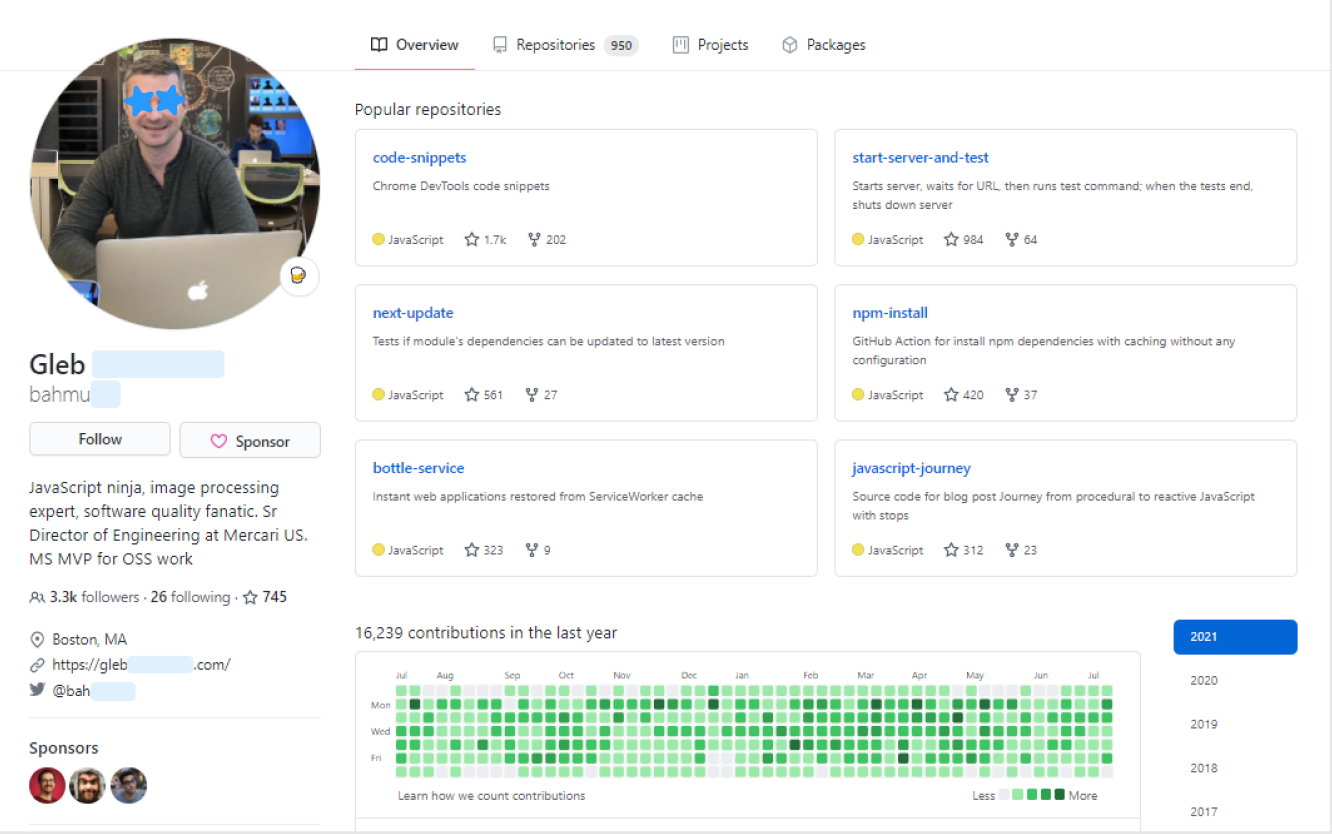
GitHub is the platform with the most active engineering users, beating LinkedIn and every other platform for pure developer density. It crossed 180 million developers in its 2025 Octoverse report (up from 100 million in early 2023), with a new developer now joining roughly every second. Engineers deposit code repositories and collaborate on their (open source) code, and that activity creates valuable signal: the languages, frameworks and libraries each person actually ships with, plus, in a large share of commits, a public email address.
Key facts
- Engineers
- 180 million+ developers
- Publishing of code repositories including tech tags
🔎 How to search talent on GitHub
Stack Overflow
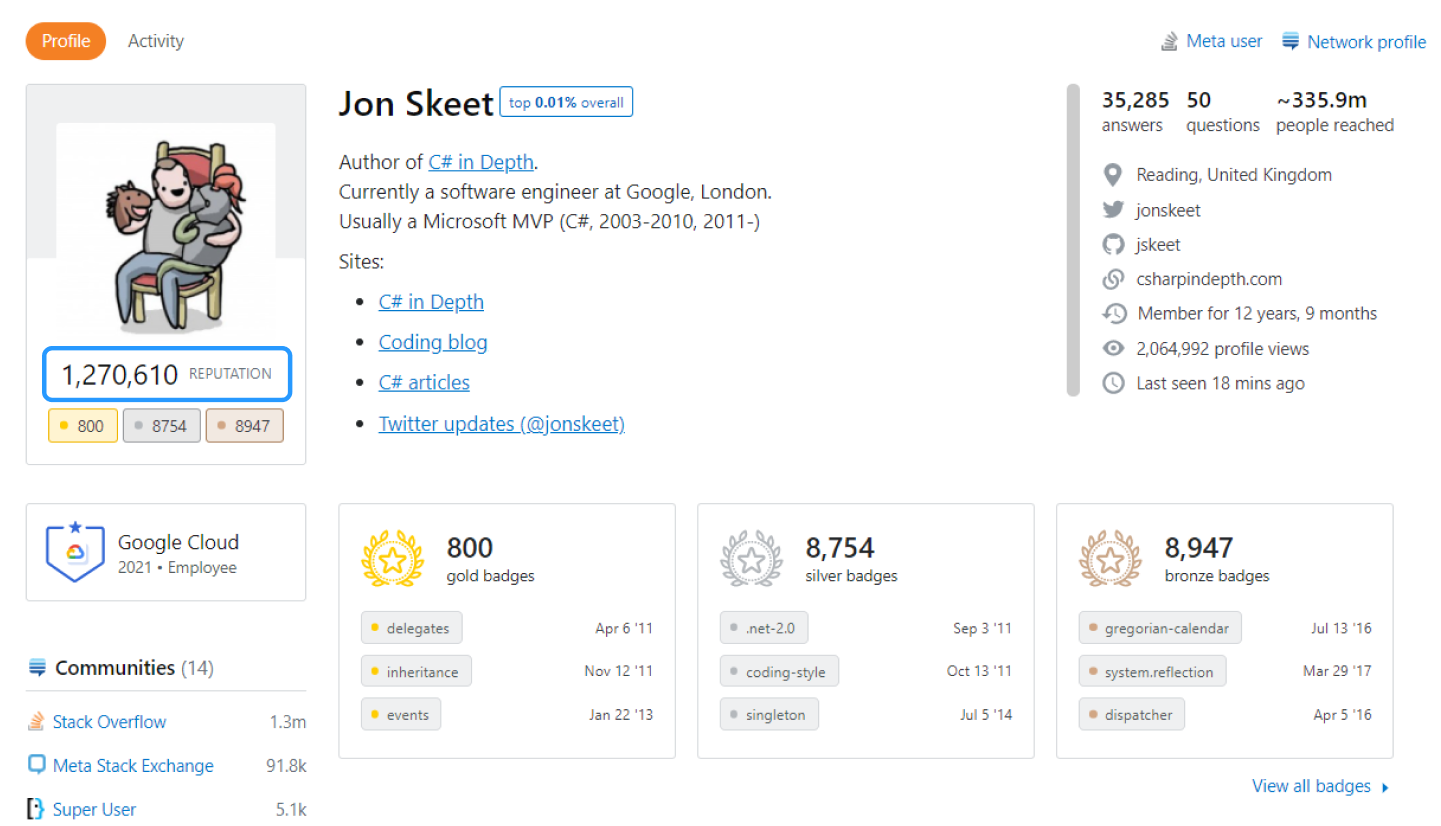
Stack Overflow is the question and answer (Q&A) forum for engineers, and its public archive of tens of millions of answered questions is still one of the richest records of who knows what in software. Be aware of one 2026 reality, though: new-question volume has fallen roughly 75% from its 2017 peak as developers move everyday questions to ChatGPT and Claude. That makes Stack Overflow best for mining the years of history already on a profile (tags, top answers, reputation) rather than expecting someone to be active there this week.
Key facts
- Engineers
- Deep public Q&A archive
- Skill signal from tags, top answers and reputation
🔎 How to search talent on Stack Overflow
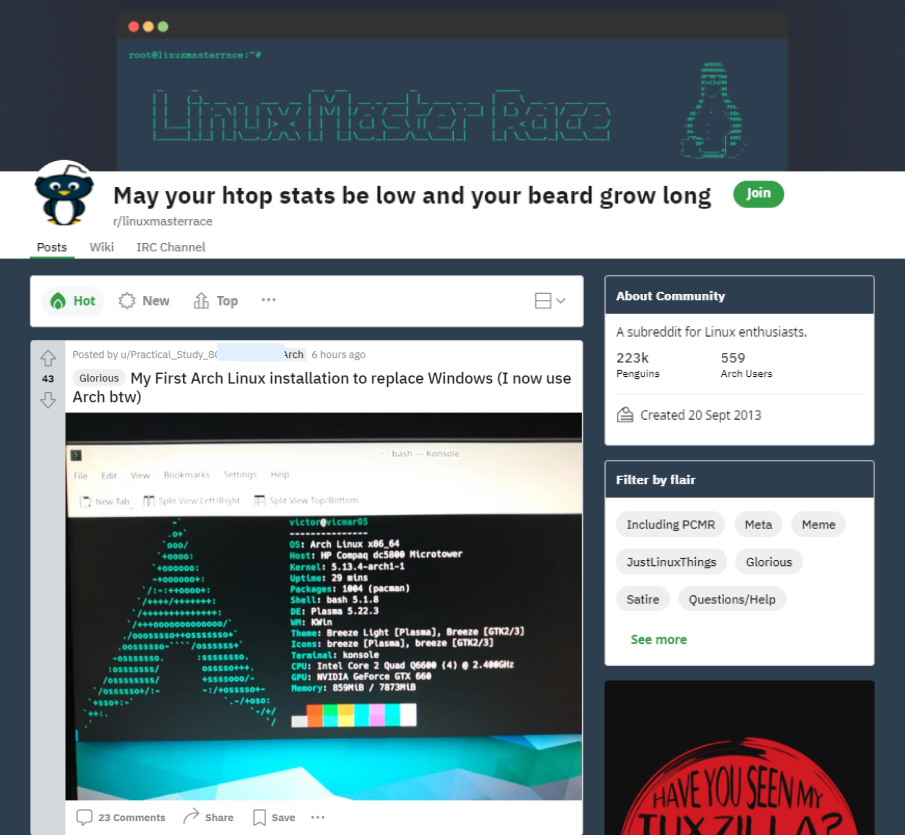
Reddit is one of the biggest online communities in the world, now at over 1.3 billion monthly active users and roughly 121 million daily. Redditors engage in comical but also deeply professional discussions, and technical subreddits (r/cscareerquestions, r/devops, r/ExperiencedDevs and language-specific communities) are where engineers speak candidly about their stack, their pay and whether they are open to moving. Understood well, it is a strong and lightly contested sourcing signal.
Key facts
- Variety of profiles
- 1.3 billion+ monthly active users
- In depth informal discussions on a variety of topics
🔎 How to search talent on Reddit
Wellfound (formerly AngelList Talent)
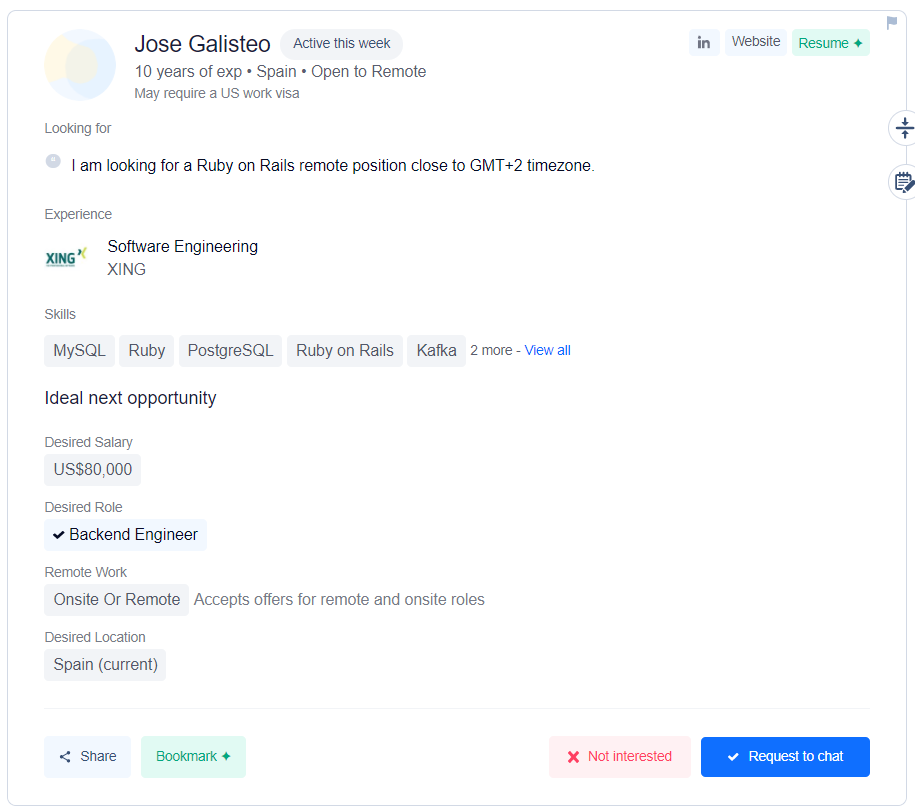
The startup-talent side of AngelList was renamed Wellfound in late 2022, so the old angel.co job board now lives at wellfound.com. It is where startup and scaleup talent present themselves, signal that they are open to work and set the salary and equity they want. Wellfound reports over 10 million startup-ready candidates and around 150,000 startups, which makes it the go-to pool for engineers who specifically want to work at early-stage companies rather than big tech.
Key facts
- Startup talent
- 10 million+ candidates
- Focussed on people who work or want to work in the startup world
🔎 How to source talent on Wellfound (formerly AngelList)
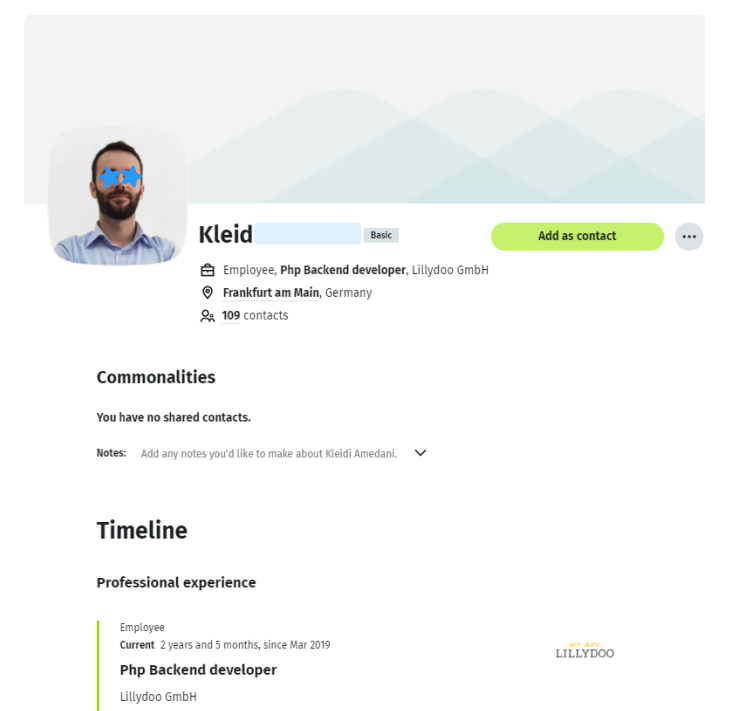
Xing is the leading professional network in the German-speaking world, with around 22.5 million members across the DACH region (Germany, Austria and Switzerland). The common assumption is that LinkedIn is the primary professional network everywhere, but that has never been fully true in Germany, and Xing (now owned by New Work SE, taken private by Burda in 2025) remains a serious second network for DACH-based engineers, especially outside the biggest tech hubs.
Key facts
- Variety of profiles
- 22.5 million DACH members
- Focussed on German, Austrian and Swiss talent, but also other talent available
🔎 How to search talent on XING
GitLab
GitLab is the other major code host, and an under-used one for sourcing precisely because everyone crowds onto GitHub. It has grown to more than 50 million registered users and is the DevSecOps platform of choice at roughly half the Fortune 100. Public GitLab profiles expose the same rich signal as GitHub (languages, projects, merge-request activity) but sit outside the pool most recruiters ever search, so a candidate you find there has almost certainly not been messaged ten times this month.
Key facts
- Engineers and DevOps talent
- 50 million+ registered users
- Less recruiter competition than GitHub
Kaggle
Kaggle is where the data-science, machine-learning and AI crowd actually competes, and for those roles it is a far sharper filter than a CV. The platform passed 23 million accounts in 2025, and its competition rankings (Expert, Master, Grandmaster) give you an objective, public measure of applied modelling ability that no LinkedIn headline can. If you are hiring ML or data talent, a candidate's Kaggle tier often tells you more in five seconds than a screening call.
Key facts
- Data science and ML talent
- 23 million+ accounts
- Public, ranked proof of modelling skill
HackerRank
HackerRank is best known as an assessment tool, but its community side is a sourcing source in its own right: more than 26 million developers have practised, certified skills or hunted for jobs there, and over a quarter of the Fortune 100 run their technical screens on it. Developers who keep an active, well-scored HackerRank profile are, almost by definition, people who take their craft seriously and are comfortable being evaluated, which is a useful trait to select for.
Key facts
- Engineers who opt into testing
- 26 million+ developers
- Skill certifications and challenge history
Other communities worth mining
A few smaller communities round out the map. Dev.to and Hashnode are blogging platforms where engineers explain what they are building, which surfaces both skill and current interests. Medium hosts long-form technical writing from senior engineers. ResearchGate is the network for research scientists and is the right place for deep ML, robotics or PhD-level hires, and StackShare maps which companies use which tools, so you can target people who already know your stack. None of these will be your primary channel, but each one hands you candidates almost no competitor is looking at.
How to turn a profile into a candidate you can email
Finding the profile is only half the job. The platforms above are strong precisely because they sit outside LinkedIn, but that same thing makes them harder to action: a Stack Overflow answer, a Kaggle ranking or a Reddit username rarely comes with a working email address. Bridging that gap is the step that separates recruiters who talk about creative sourcing from the ones who actually book the calls.
Your first move should always be free. GitHub, for example, leaks a real email in the commit metadata of a large share of accounts, so a quick look through a candidate's public commits (covered in our GitHub sourcing guide) will often get you contact details at zero cost. When that fails, and on platforms that expose nothing, you fall back to a contact-data tool that matches a name and current employer to a verified work email.
Apollo.io
For most recruiters doing this at any volume, Apollo.io is the sensible default: it is a large B2B contact database you can query by name and company to pull a verified work email, and it has a genuinely free tier to test with before you spend anything.
Apollo.io
Apollo indexes 230 million+ verified contacts, so once you have a developer's name and current employer off GitHub, Kaggle or Stack Overflow, you can usually resolve their work email in a single lookup. The free plan gives 900 credits per seat per year (released monthly, about 75 a month), enough to test whether your particular talent pool is even covered before you pay; paid starts at $49 per user per month billed annually ($65 month to month). The honest caveat: Apollo is a work-email database, so it is strongest when the person is tied to a company. A purely anonymous handle whose only address is a personal Gmail may not resolve, and 900 free credits a year runs out fast at real sourcing volume.
Lusha is a close alternative worth keeping as a fallback, since no single database has everyone (its plans start at $49.90 per user per month). And if you would rather not stitch the sourcing and the outreach together by hand at all, tools like HeroHunt.ai run the whole loop, finding candidates across 1 billion+ profiles and reaching out on autopilot, which is a different trade-off from buying credits and doing the lookups yourself.
Where to start
You do not need all twelve of these platforms. Pick the two or three that match the roles you hire for, back-end and infra talent on GitHub and GitLab, data and ML people on Kaggle, startup engineers on Wellfound, DACH candidates on Xing, and work them properly rather than skimming everything. The recruiters who win with creative sourcing are not the ones who know the most platforms; they are the ones who consistently find people on one or two channels their competitors ignore, and then actually reach them.
Get the contact step sorted before you scale the sourcing, because a shortlist you cannot email is just a list. If you want a free, low-risk place to start on enrichment, Apollo's free tier is the way in. And if the real problem is that you never get round to working these channels at all, the other option is to automate the loop rather than the lookup.
HeroHunt.ai
If the bottleneck here is not knowing the platforms but working all of them every week, HeroHunt.ai runs search, enrichment and first outreach as a single loop across 1 billion+ profiles, so the shortlist you build by hand on GitLab or Kaggle ends up in a sequence instead of a spreadsheet. The honest caveat: automation cannot read the signal that makes these communities worth mining in the first place, such as why a particular Grandmaster ranking or merge-request history matters for your specific role. Work your two or three core channels by hand, and use automation for the coverage you would otherwise skip.
Written by Yuma Heymans (@yumahey), who built HeroHunt.ai, the world's first AI Recruiter, now used by 15,000+ recruiters to source and contact tech talent well beyond LinkedIn.
Platform figures reflect the latest public data as of July 2026; user counts and pricing change often, so verify current numbers before you rely on them.